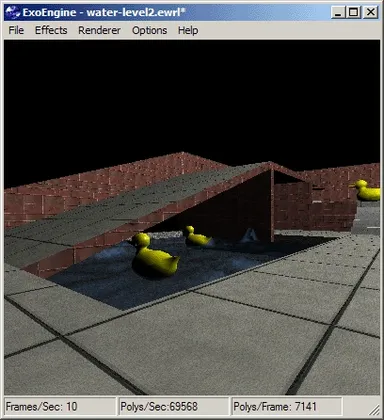
ExoEngine: Writing a 3D Engine in C# Before Anyone Thought That Was a Good Idea
After my Visual Insights internships, I went deep on C# and wrote ExoEngine3D to test whether managed languages could handle real-time 3D graphics.
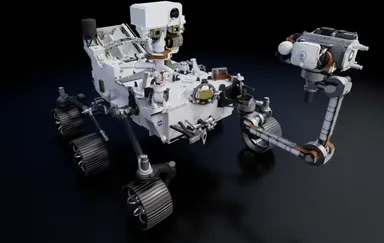
How three university co-op terms shaped my early graphics career through robotics, experimental 3D information visualization, and real-time command software for DARPA.
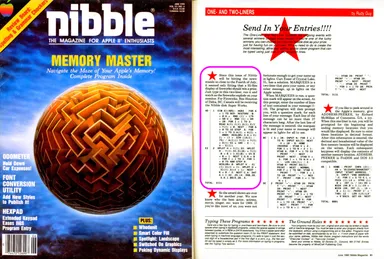
How I went from Apple IIe two-liners to C, x86 assembly, the demo scene, 3D engine prototypes, and a high school internship building technology for Wizardry 8.
Learn how to develop 3D web applications that work reliably across all devices using real-world browser capability data from Web3DSurvey.com with a practical two-tier development strategy.
How I wrote the first version of Krakatoa at Frantic Films to render Doc Bailey's SPORE images for Stay, and how the renderer later reached Avatar, Harry Potter, and Exocortex Fury.
In 2002, I joined Frantic Films to write fluid simulation software. A small scheduler I built for those sims became Deadline, a render farm manager used by Blizzard, major VFX studios, and considered by the Academy for Sci Tech Awards.
How a pioneering web-based 3D editor pivoted from visual effects to enterprise product visualization.
Graph-based materials, while innovative and flexible, pose significant costs for run-time dynamic loading in Web and Games. We delve into these costs and propose alternative solutions.
Understand the background and potential future of the evolving Khronos glTF PBR material definition.
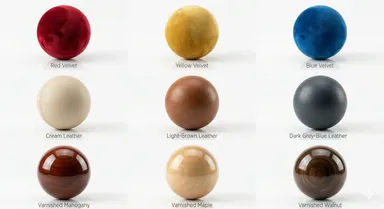
With Physically-based Rendering (PBR) becoming the new standard, we need a simple standard interchange format.