Zstdify: Pure TypeScript Zstd
Today, I built a pure-TypeScript Zstandard implementation (library + CLI + dictionary training + interop tests) in just 4 hours using OpenAI Codex 5.3.

Today, I built a pure-TypeScript Zstandard implementation (library + CLI + dictionary training + interop tests) in just 4 hours using OpenAI Codex 5.3.
How frustration with Trigger-Action Lists in production 3D tools led me to build behave-graph, champion it at SIGGRAPH, and help drive the KHR_interactivity glTF standard.
Over the past year, I've reduced the number of scripts in my package.json files. Direct CLI usage often beats script wrappers for transparency, flexibility, and AI-friendliness.

Vitest's globalSetup feature runs code once before all tests execute, and optionally a cleanup function after all tests complete.
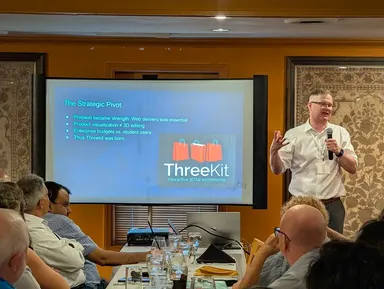
This is the story of how I went from building Hollywood VFX tools to raising $65M for enterprise SaaS, and the three crucial lessons I learned along the way.
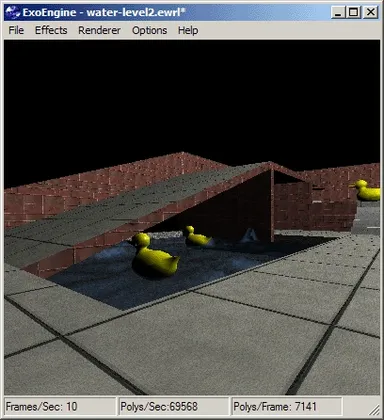
After my Visual Insights internships, I went deep on C# and wrote ExoEngine3D to test whether managed languages could handle real-time 3D graphics.
How three university co-op terms shaped my early graphics career through robotics, experimental 3D information visualization, and real-time command software for DARPA.
How I went from Apple IIe two-liners to C, x86 assembly, the demo scene, 3D engine prototypes, and a high school internship building technology for Wizardry 8.
After twenty years building computer graphics software used in Hollywood blockbusters and enterprise product visualization, here are the crucial lessons that can help entrepreneurs build more successful companies.

Intent-driven testing shifts validation from implementation details to declared intent, ensuring your system works as specified rather th an just as coded. This approach generates comprehensive test suites from your intent files, introducing the powerful concept of specification coverage.
Declary introduces a new capability for embedding intent specifications directly in your source code—transforming pseudocode into working implementations. This intuitive approach bridges the gap between what you want and how it's implemented, all within your existing files.
The Generic Builder is a configurable meta‑builder that creates specialized builders on demand, solving the chicken‑and‑egg problem of intent‑based toolkits. This essay explains its design, the router agent, and a chat‑driven workflow that bridges conversational intent with structured files.