Origins of Krakatoa
We needed to render billions of points for Stay, and the established renderers we tried couldn't handle them. I adapted an OpenGL/C# renderer in a few days—the start of Krakatoa.

We needed to render billions of points for Stay, and the established renderers we tried couldn't handle them. I adapted an OpenGL/C# renderer in a few days—the start of Krakatoa.
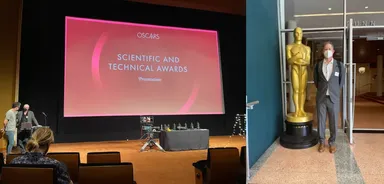
In 2002, I joined Frantic Films to write fluid simulation software. A small scheduler I built for those sims became Deadline, a render farm manager used by Blizzard, major VFX studios, and considered by the Academy for Sci Tech Awards.
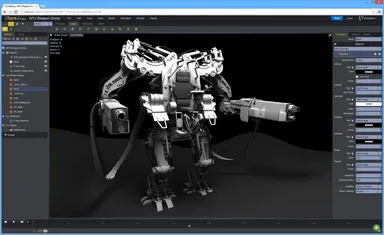
Clara.io attracted more than 100,000 users, but professional artists stayed with their existing tools. A furniture manufacturer showed us where our 3D technology could become a business.
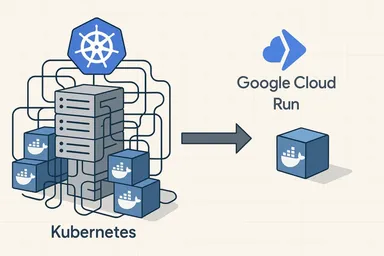
Kubernetes freed me from managing failing machines, then gave me a cluster to care for. My Web3D Survey now serves 500,000 hits a month on Cloud Run for $4 in hosting costs.
The fastest RISC-V CPU I could find in 2024 was roughly seven times slower than a Raspberry Pi 5 in single-threaded benchmarks. Closing that gap will take more than faster clock speeds.

A wrong guess about WebGL or WebGPU support can break your 3D app for some users. Web3DSurvey fills the gap left by WebGLStats with real-world capability data, though its tech-focused audience introduces a bias.